AI Agent Evaluation Framework: Test Before Production
AI agent evaluation framework for testing task success, tool use, security, cost, and reliability before your agent touches live production systems.
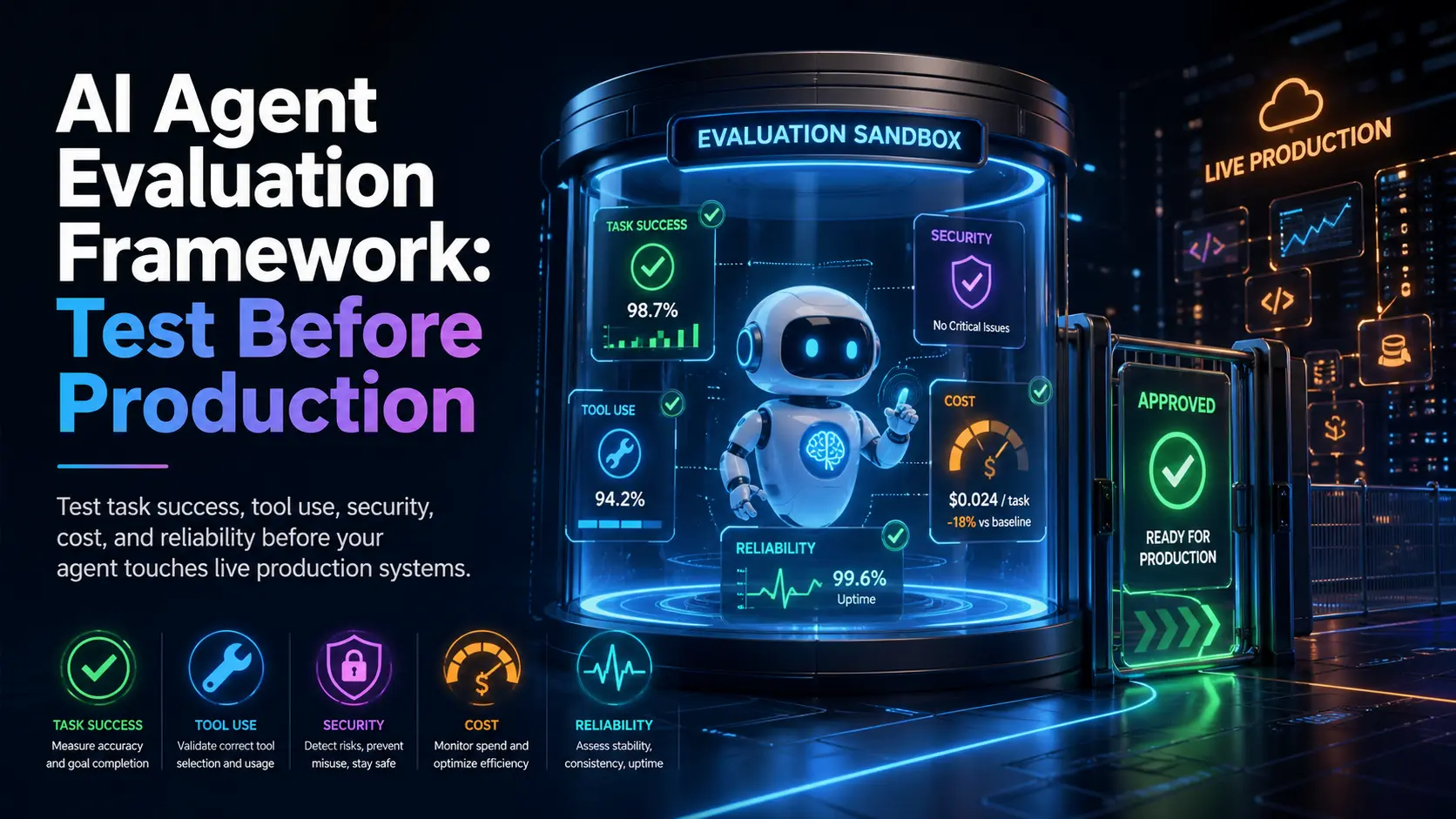
AI agent evaluation framework for testing task success, tool use, security, cost, and reliability before your agent touches live production systems.
 News
News Apple's Siri AI EU launch blocked at WWDC 2026 as Apple and Brussels trade blame over the DMA, plus the confirmed Google Gemini deal. What it means.
 News
News Fable 5 suspended after a US directive hit Anthropic's top models. What changed, who loses access now, and why this AI export-control fight matters.
AI in June 2026 is defined by three forces: agentic AI moving from labs to production, regulation tightening globally with the EU AI Act enforcement kicking in August 2026, and model capabilities hitting new benchmarks across coding, reasoning, and multi-step task completion. Here's what's changing right now.
AI agents are moving from research to production deployments. CrewAI, LangGraph, and OpenAI's native agents SDK are handling autonomous DevOps, code review, and customer support workflows at scale. The Model Context Protocol (MCP) is the connective tissue, letting agents access real tools and live data safely.
Explore agentic AI coverageAugust 2, 2026 is a hard deadline. High-risk AI—hiring decisions, autonomous DevOps, workplace monitoring—must meet conformity assessments, bias testing, and human oversight requirements. UK, Japan, and US are watching Europe's enforcement closely before locking their own rules.
Follow EU AI Act deadlinesGPT-5.4 now ships native computer use for multi-file edits. Claude Code outperforms GitHub Copilot on real repositories. Codex scans commit history and learns project patterns. The bar for "good enough" autocomplete has shifted to autonomous code commits passing tests.
Compare AI coding toolsBrand mentions now beat backlinks 3:1 for visibility inside ChatGPT, Perplexity, and Google AI Overviews. Getting cited by AI systems requires a different strategy than SEO: you need passage-level citability, clear expertise signals, and presence on platforms AI crawlers visit regularly.
Improve AI search visibilityOpenAI's GPT-Rosalind for drug discovery and similar domain-specific models are reshaping how enterprises deploy AI. General-purpose models are still dominant, but specialized models trained on domain data are closing capability gaps for high-stakes work: healthcare, finance, scientific research.
See model releasesAI governance is no longer a compliance checkbox. Teams are building monitoring systems, bias detection, and audit trails into deployment workflows. The Microsoft Agent Governance Toolkit and similar frameworks turn policy into code, making oversight scale-able and verifiable.
Learn governance best practicesNo. AI agents are shifting the work, not eliminating roles. Engineers who were writing boilerplate and fixing tests are now designing agent behavior, writing test strategies, and reviewing agent-generated code. The work is higher-level and more interesting. Tools like Claude Code and Codex are raising the bar for what humans focus on, not removing the focus entirely.
If you use AI for hiring, employee monitoring, or autonomous decisions, you're subject to August 2, 2026 requirements. This means risk assessments, bias testing, human oversight, transparency to users, and documentation proving compliance. If you're not using AI for high-risk purposes, the obligations are lighter. Most companies need to audit their AI use by August 1, 2026.
AI systems cite sources that have clear article structure, author credentials, publication dates, and topical authority. Write long-form content (2000+ words) on focused topics, add author bios with credentials, use schema markup, and make sure your content is easy for crawlers to parse. Then build topical authority by linking related articles together.
MCP is not required, but it's becoming the standard. It's an open protocol that lets agents securely access tools, APIs, and live data without embedding credentials or code in the agent itself. If you're building agents that need to access external systems, MCP is the cleaner approach than building custom integrations.
It depends on your workflow. ChatGPT is the broadest all-rounder. Claude is strongest for long-form knowledge work and coding. Perplexity is best for source-led research. GitHub Copilot and Claude Code are competing for coding workflows. Gemini fits Google-heavy teams. Start with one and commit for 30 days before switching.
Immediately. Even agents in internal testing should have logging, override capabilities, and clear boundaries about what they can do. Once agents touch customer data, payment systems, or production infrastructure, governance becomes mandatory. The EU AI Act requires high-risk agents to have continuous monitoring and human override options.
Follow the site’s core coverage areas from one canonical page per topic.
Stay updated with the latest in AI
 News
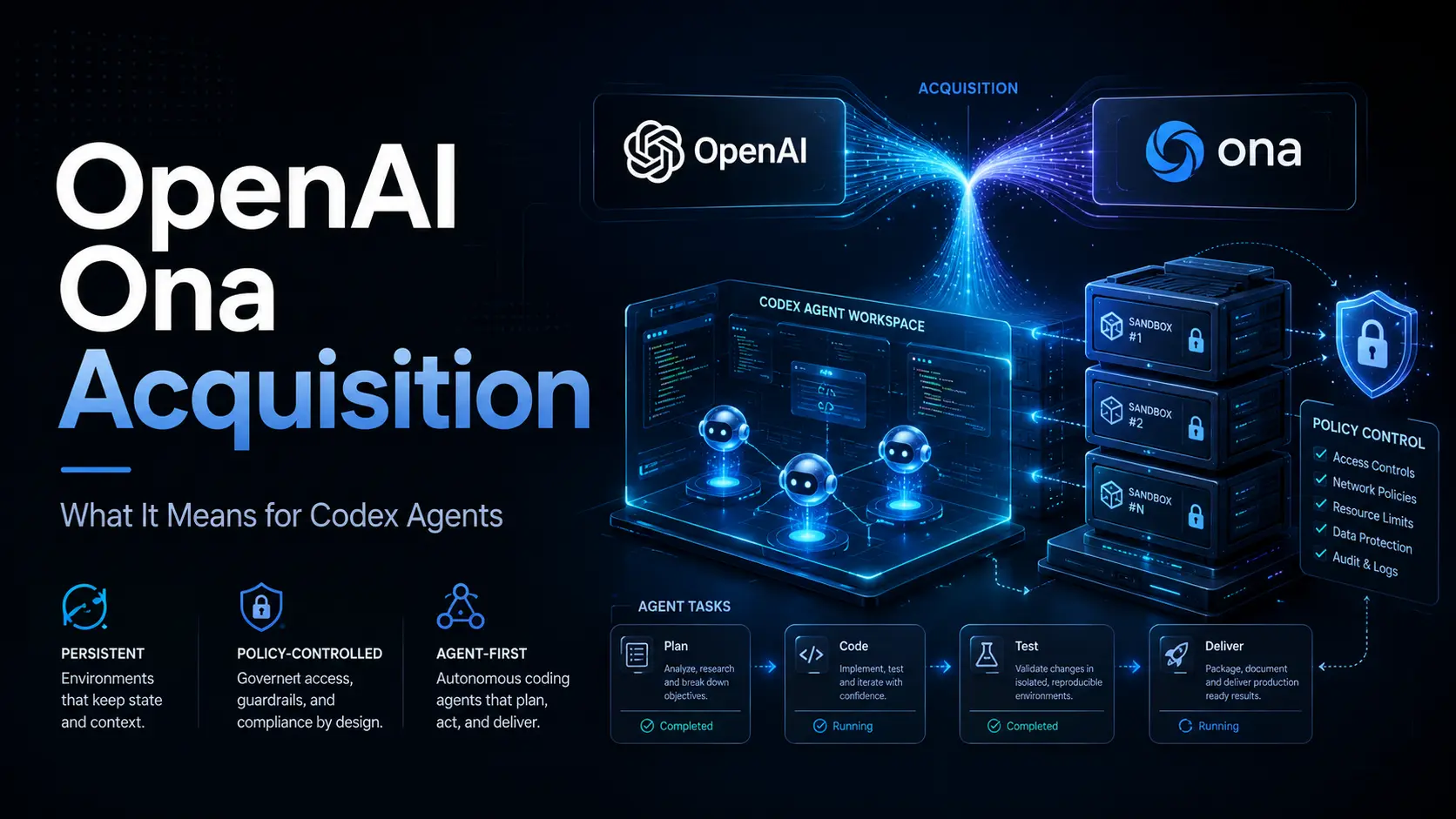
News The OpenAI Ona acquisition could give Codex persistent, policy-controlled cloud environments once it closes. What it means for agents and Ona customers.
 News
News Anthropic's IPO process is now official after a confidential S-1 filing at $965B. I break down the revenue story, compute risks, and October timeline.
 AI Tools
 GitHub Copilot switched to token-based billing on June 1. I break down what each plan gets, which models drain credits fastest, and how to keep costs low.
 AI Tools
 Claude Opus 4.8 hit 69.2% on SWE-bench Pro and a 1890 GDPval Elo. I break down the benchmarks, Fast mode, and parallel subagents—what actually matters.
 AI Tools
 Google's new Gemini Spark is a 24/7 cloud AI agent that runs on Google Cloud VMs. I break down what it does, the limits, and who should subscribe.
 AI Tools
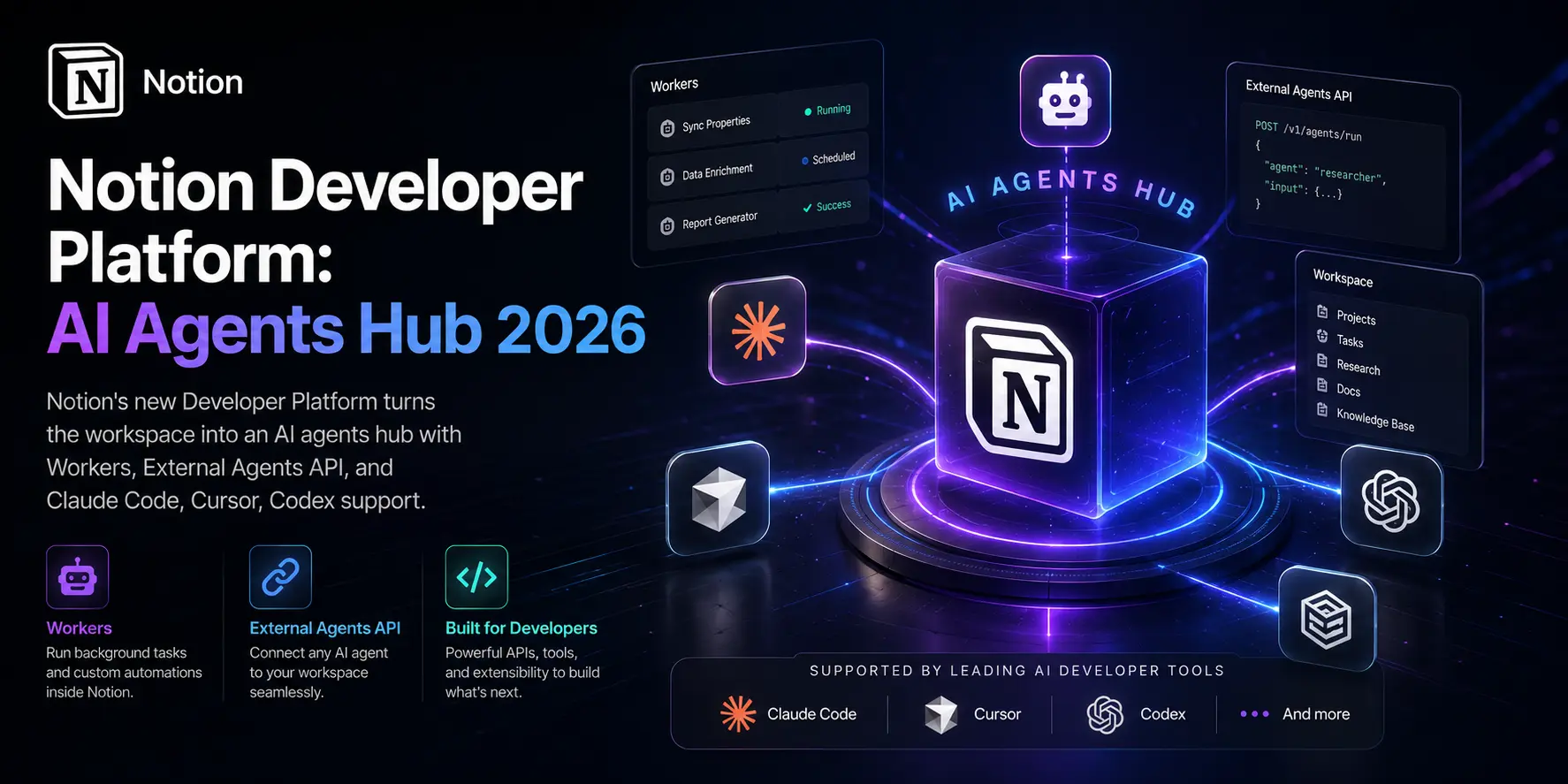
 Notion's new Developer Platform turns the workspace into an AI agents hub with Workers, External Agents API, and Claude Code, Cursor, Codex support.
 AI Regulation
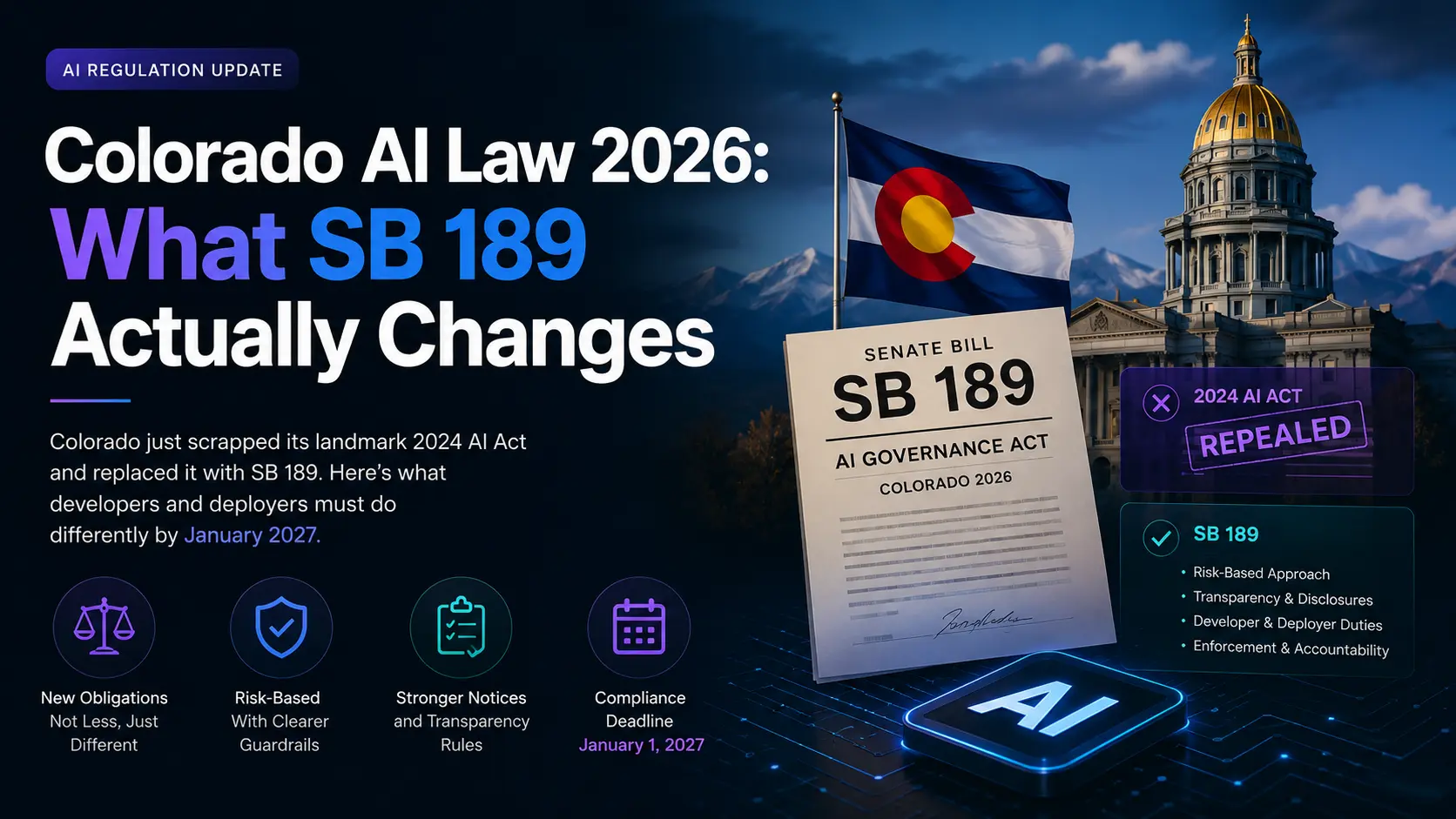
 Colorado just scrapped its landmark 2024 AI Act and replaced it with SB 189. Here's what developers and deployers must do differently by January 2027.
 News
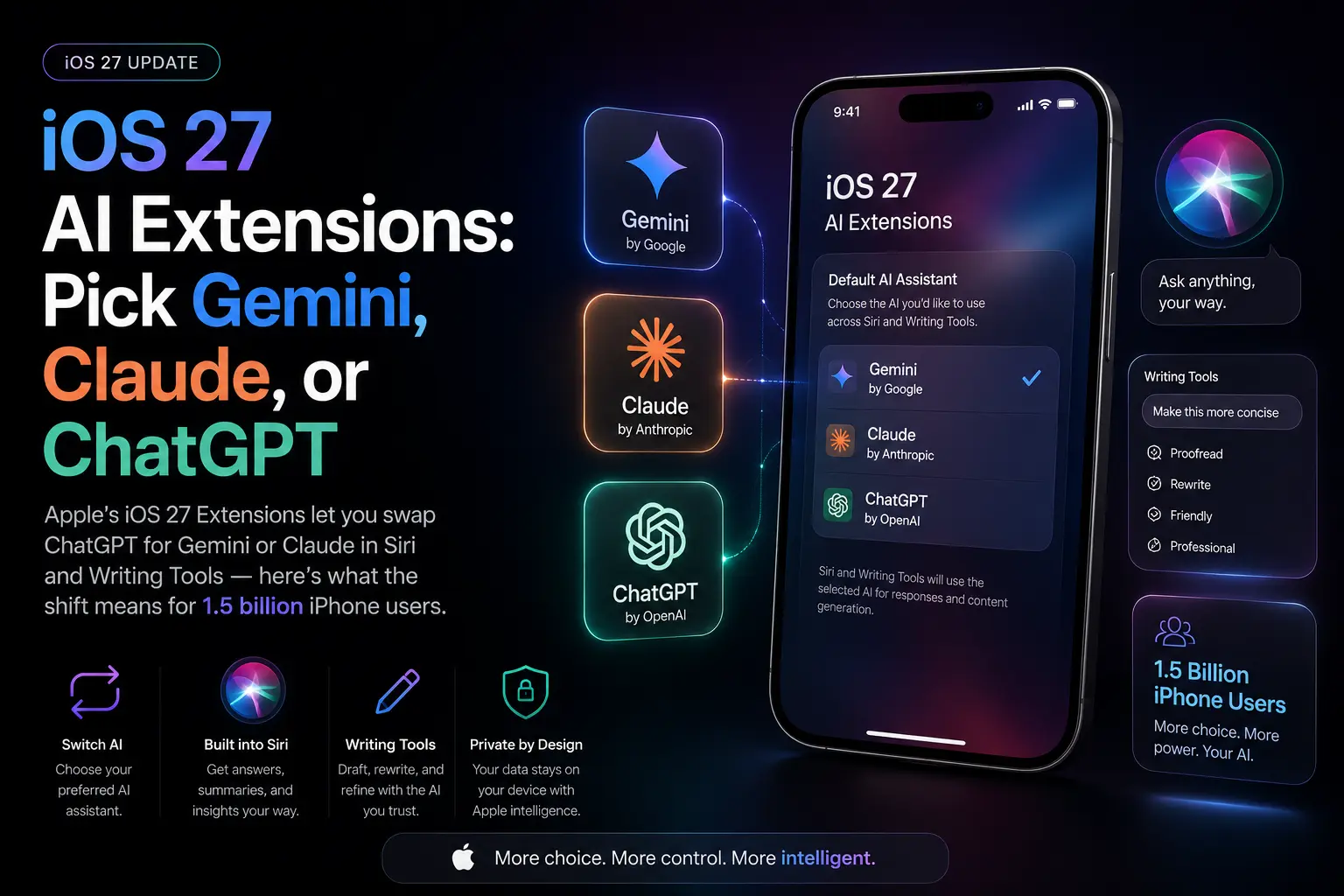
News Apple's iOS 27 Extensions let you swap ChatGPT for Gemini or Claude in Siri and Writing Tools — here's what the shift means for 1.5 billion iPhone users.
 News
News GPT-5.5 Instant is now ChatGPT's default model. Here's what actually changed—52% fewer hallucinations, Gmail memory, and real benchmark gains explained.
 AI Tools
 Anthropic's May 2026 update gives Claude agents memory that gets better between sessions. I break down dreaming, outcomes, and multiagent orchestration.
 AI Regulation
 Trump reversed course on AI regulation in May 2026, pushing pre-release vetting for frontier models. Here's what triggered the shift and what happens next.
 AI Regulation
 Connecticut passed one of the US's most sweeping AI laws. Here's what SB 5 requires from developers and employers — and when compliance kicks in.
 AI Regulation
 Pentagon cleared 8 AI firms for classified networks in May 2026 and excluded Anthropic. Here's what the military AI deals mean for the AI industry.
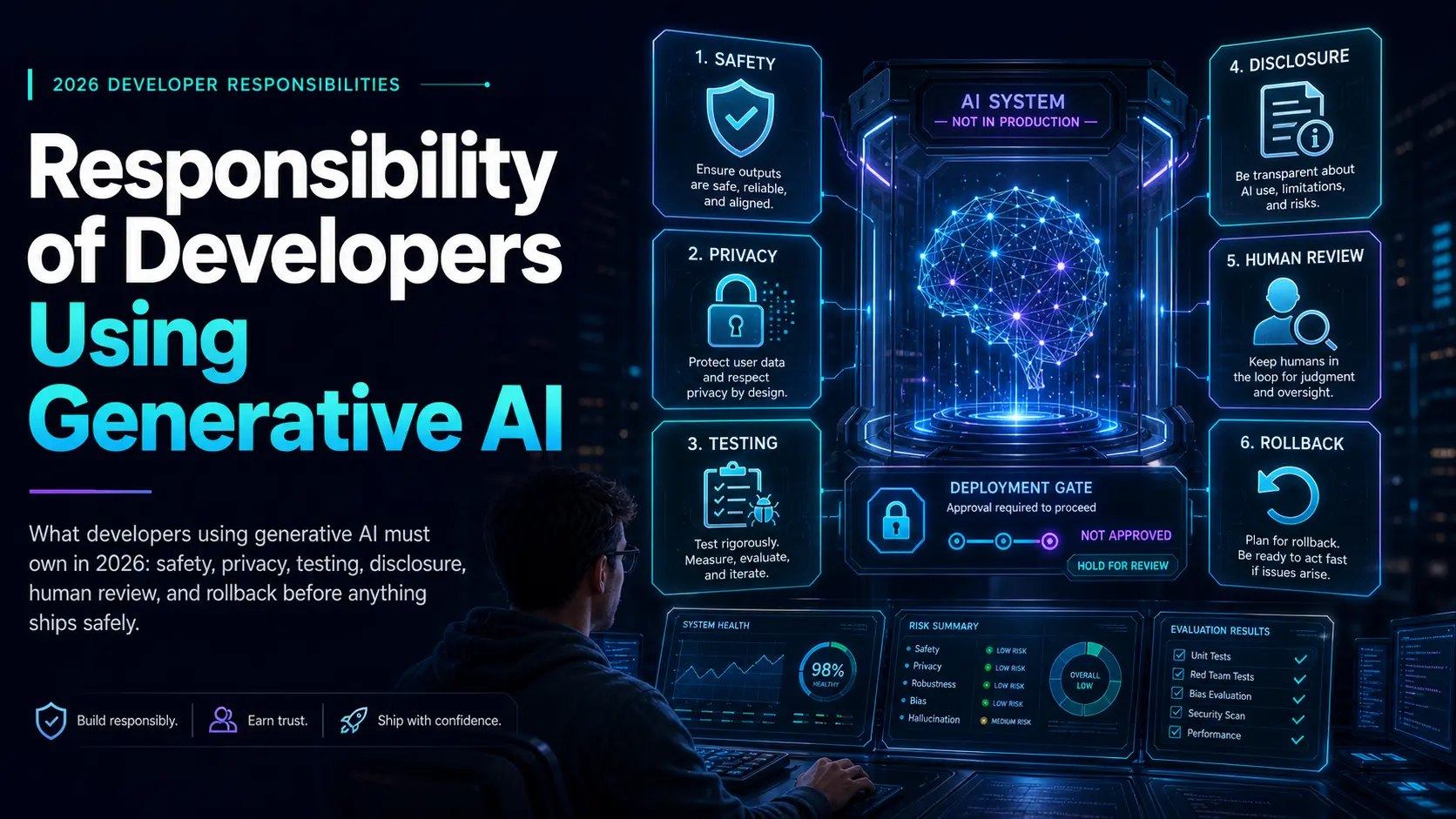 How-To
 What developers using generative AI must own in 2026: safety, privacy, testing, disclosure, human review, and rollback before anything ships safely.
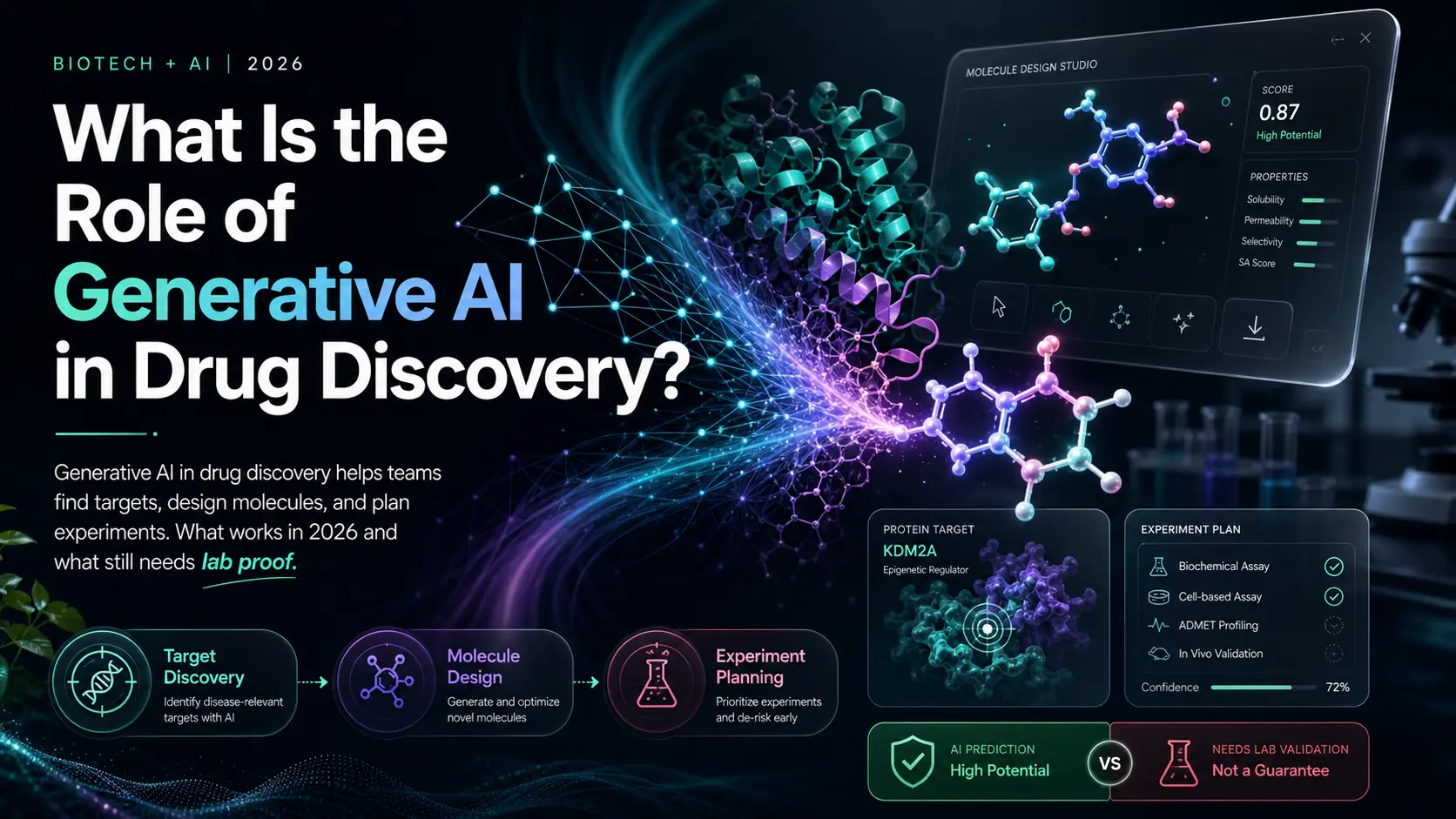 How-To
 Generative AI in drug discovery helps teams find targets, design molecules, and plan experiments. What works in 2026 and what still needs lab proof.
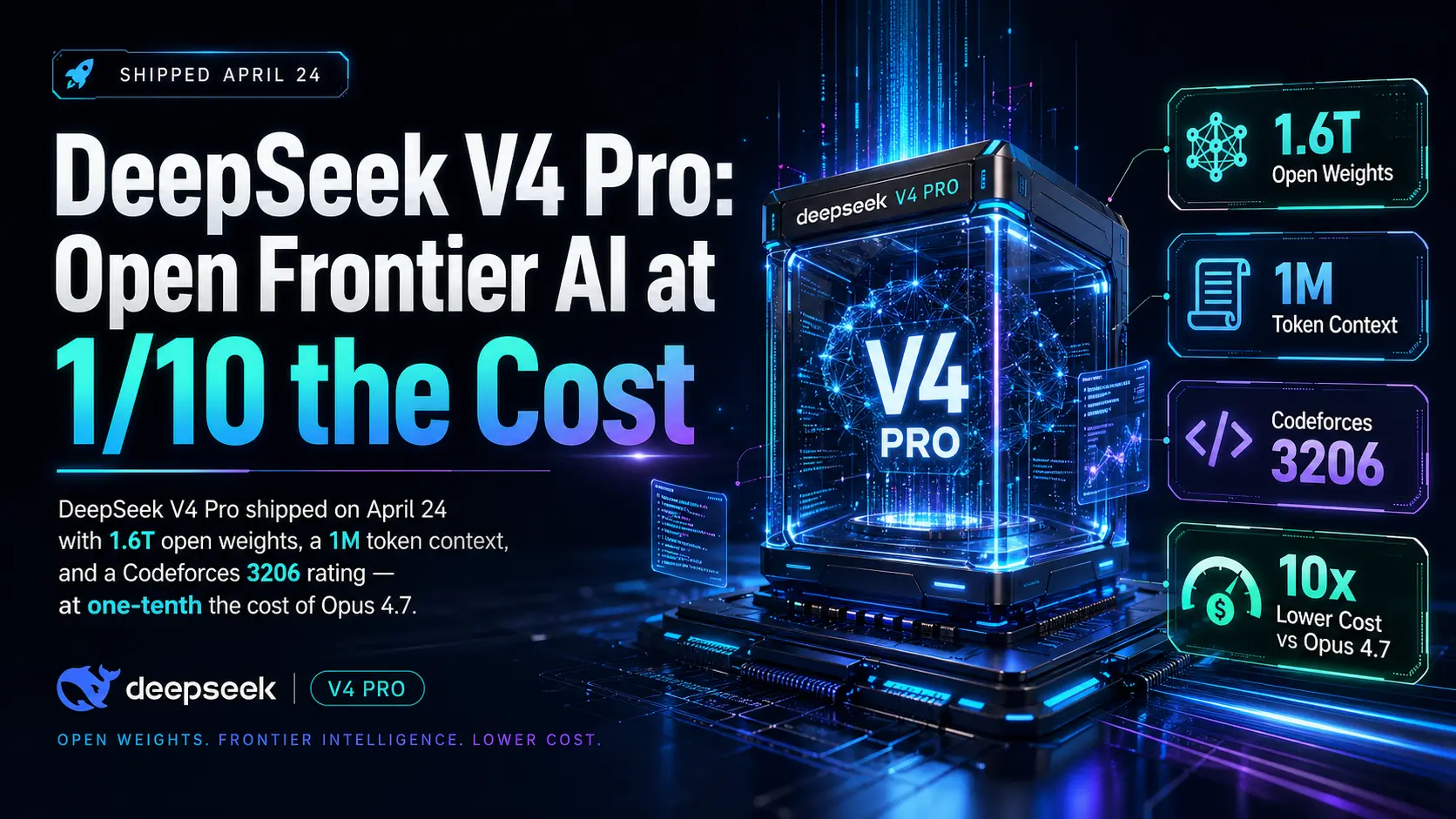 News
News DeepSeek V4 Pro shipped on April 24 with 1.6T open weights, a 1M token context, and a Codeforces 3206 rating — at one-tenth the cost of Opus 4.7.
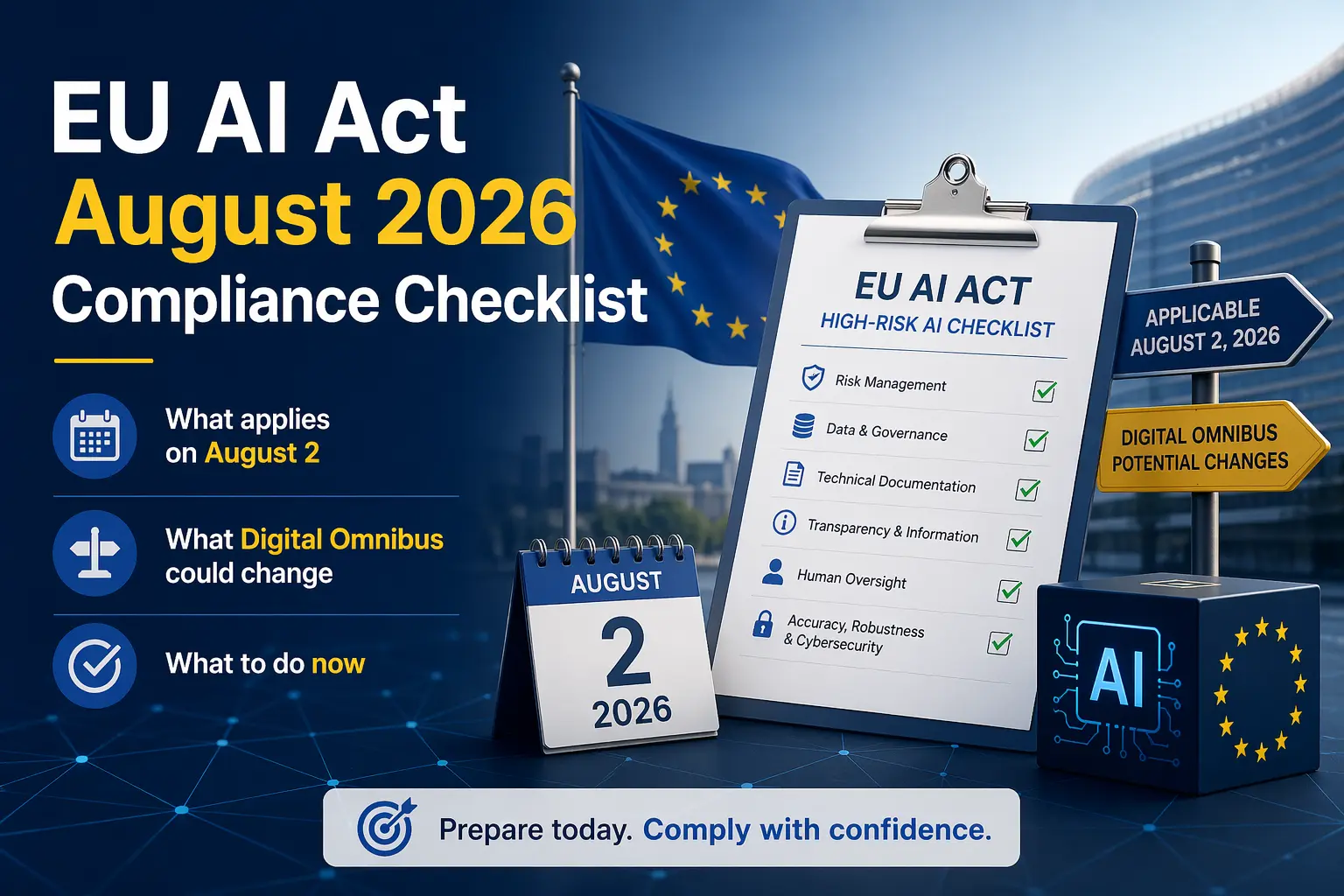 AI Regulation
 EU AI Act August 2026 compliance checklist for high-risk AI teams. What applies on August 2, what Digital Omnibus could change, and what to do now.
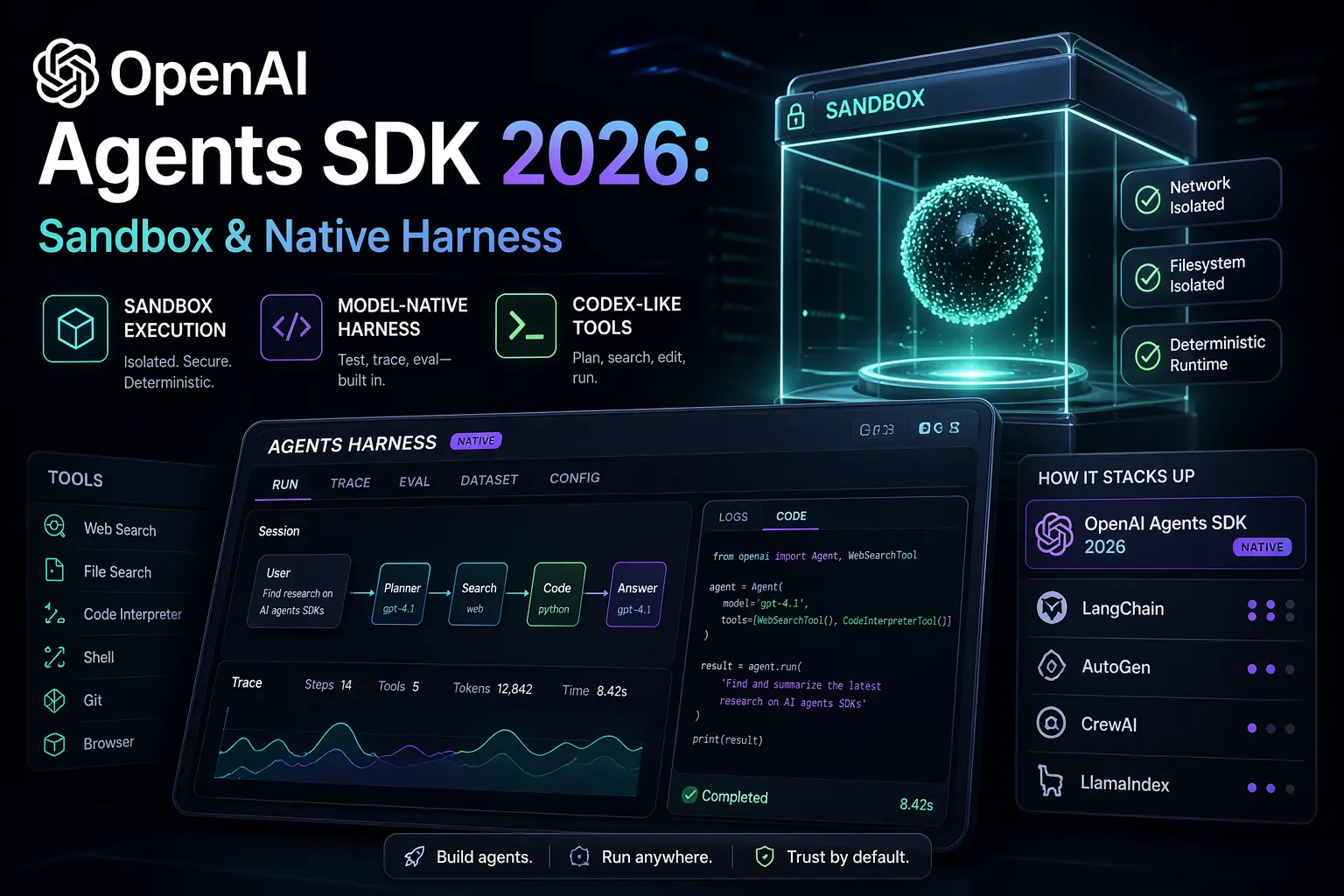 AI Tools
 OpenAI's Agents SDK update ships sandbox execution, a model-native harness, and Codex-like tools. Here's what changed and how it compares to rivals.
 AI Tools
 GPT-Rosalind is OpenAI's first domain-specific model for life sciences and drug discovery. Learn what it does, who gets early access, why restricted.
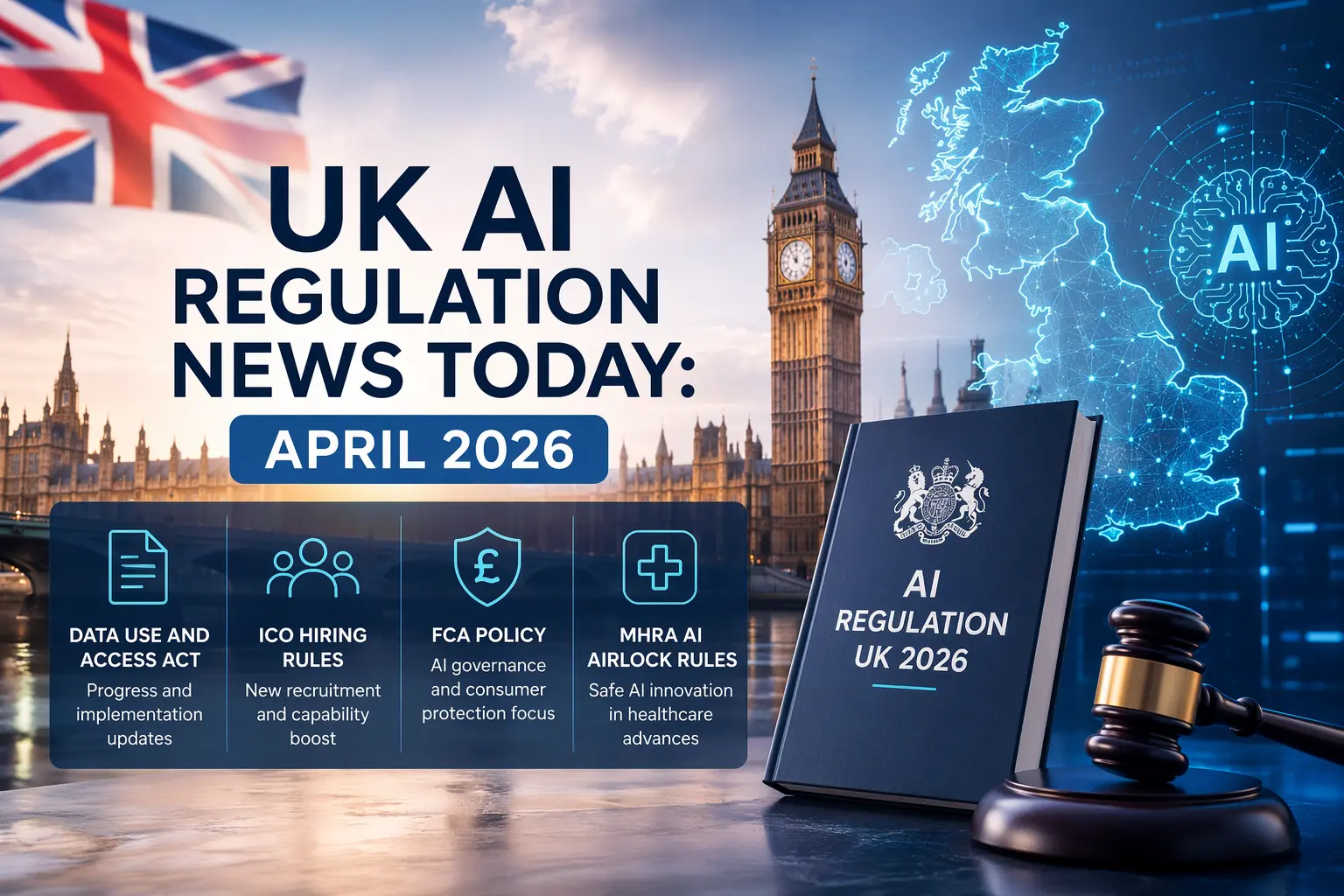 AI Regulation
 UK AI regulation news today, explained. April 2026 updates on the Data Use and Access Act, ICO hiring rules, FCA policy, and MHRA AI Airlock rules.
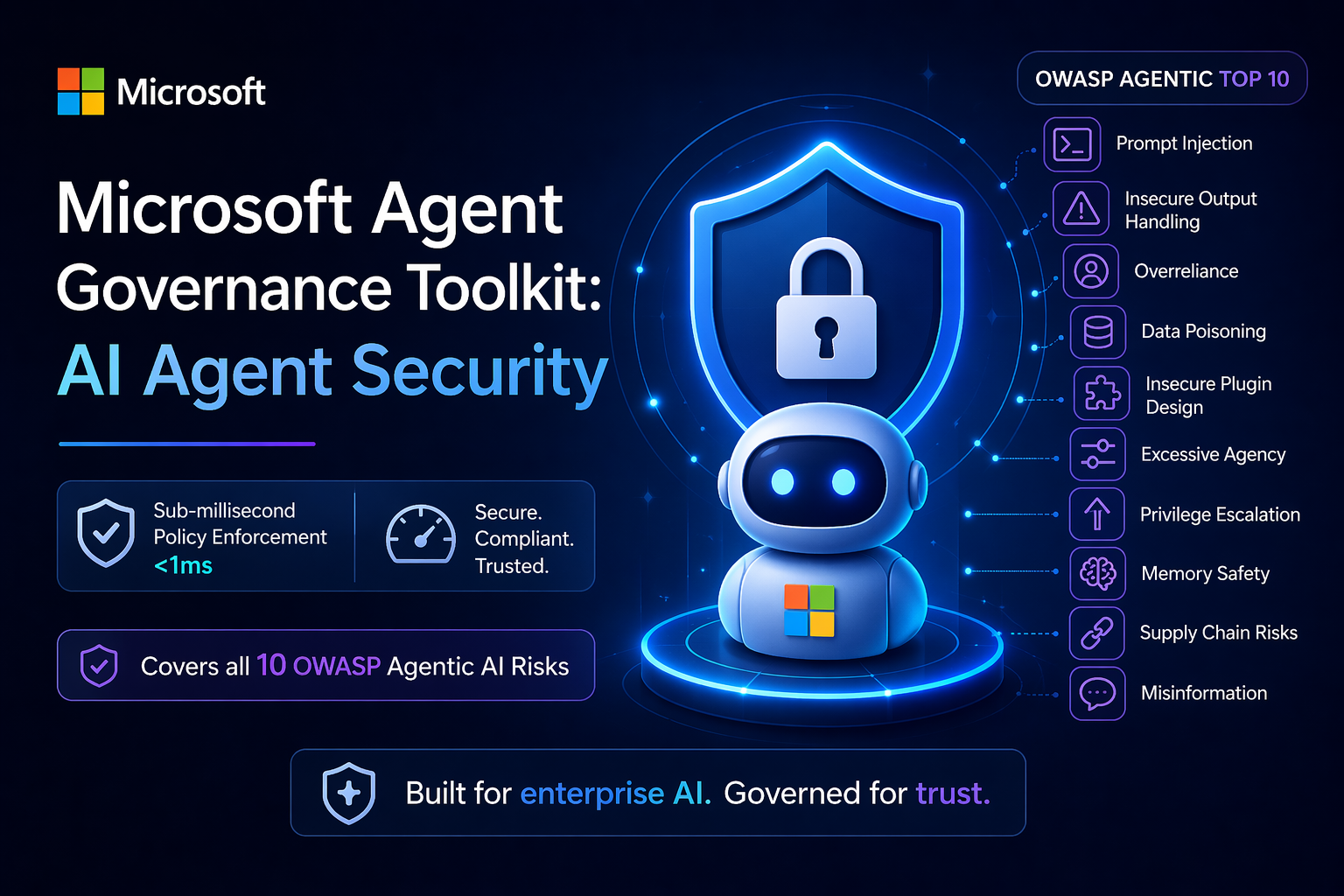 AI Tools
 Microsoft's Agent Governance Toolkit tackles all 10 OWASP agentic AI risks with sub-millisecond policy enforcement. Here's what it does and why it matters.
 AI Tools
 I tested 10 AI search monitoring tools for tracking brand visibility. Here's what works for ChatGPT, Perplexity, and Google AI Overviews in 2026.
 How-To
 Brand mentions beat backlinks 3:1 for AI visibility. Learn how to get cited by ChatGPT, Perplexity, and Google AI Overviews with real data and tactics.
 AI Regulation
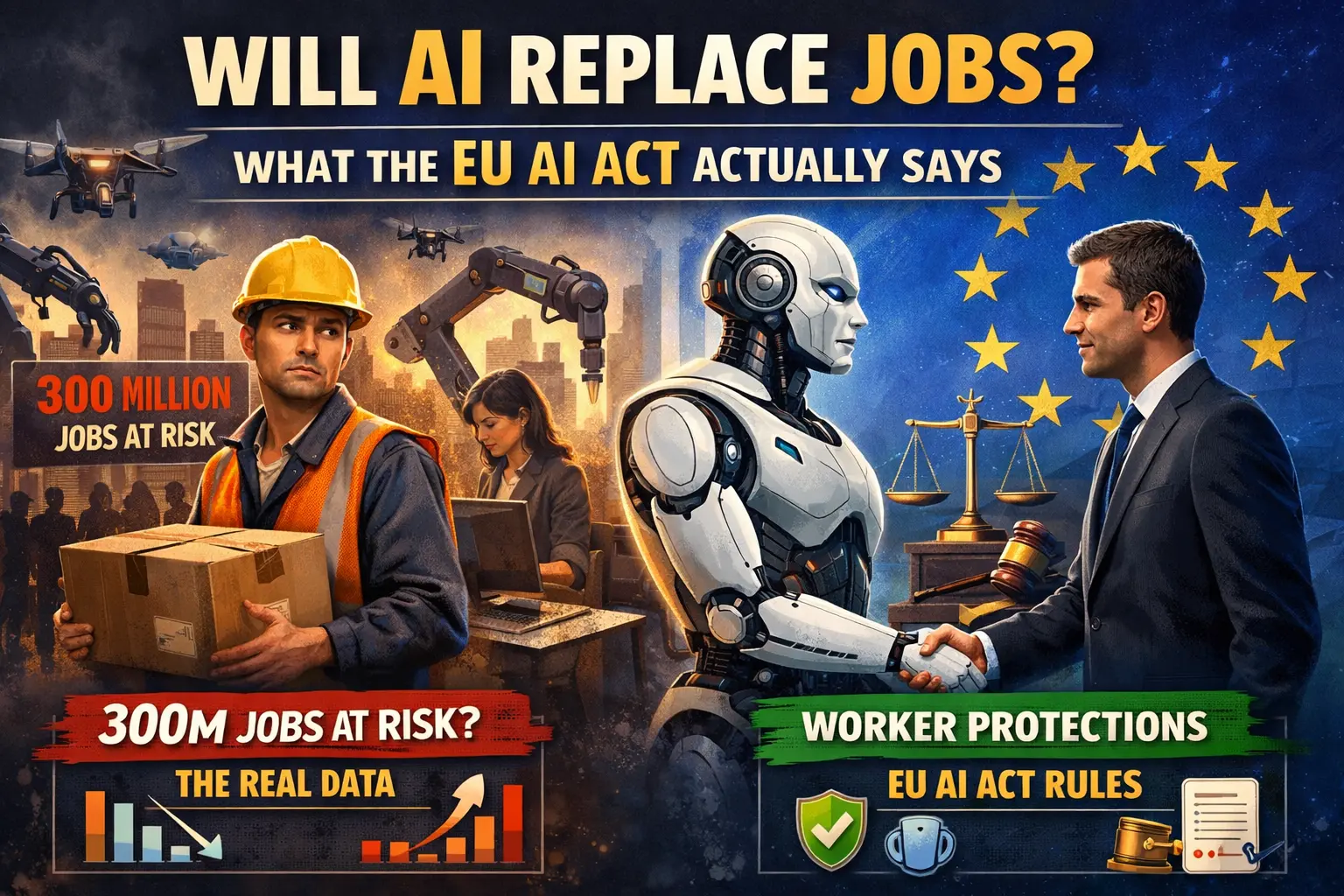
 AI could displace 300M jobs. But the EU AI Act has worker protections most companies miss. Here's what the data and August 2026 enforcement actually require.
 News
News AI agents are taking over DevOps pipelines in 2026. Explore frameworks, deployment ROI, and what this means for engineering teams managing autonomous CI/CD.
 News
News A Tufts team reported major energy savings on robotics tasks using a neuro-symbolic system. Here's what the paper actually showed—and what it doesn't prove.
 AI Regulation
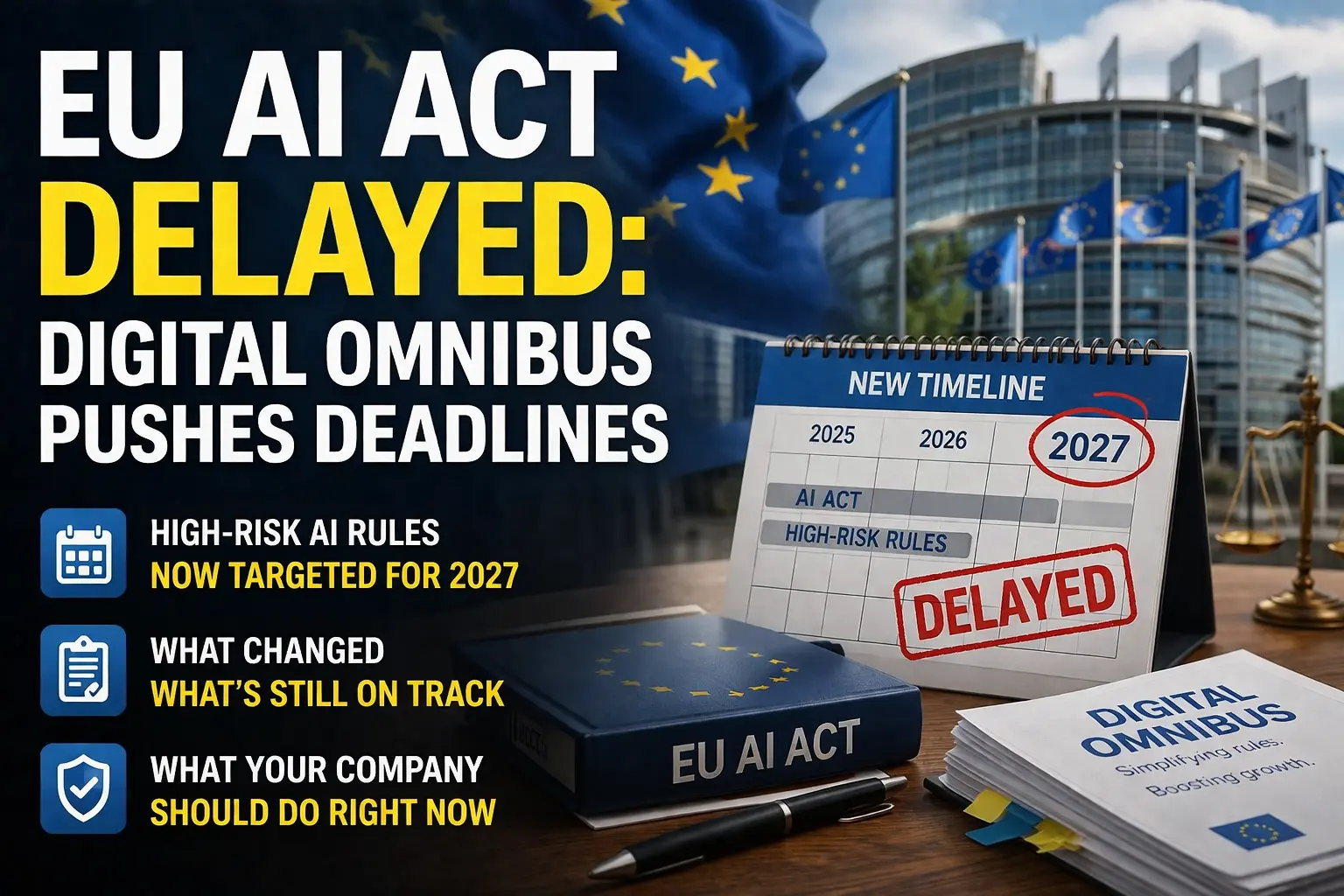
 Is the EU AI Act delayed to 2027? April 2026 enforcement status, Digital Omnibus timeline, what obligations apply now, and how to prepare before August 2026.
 News
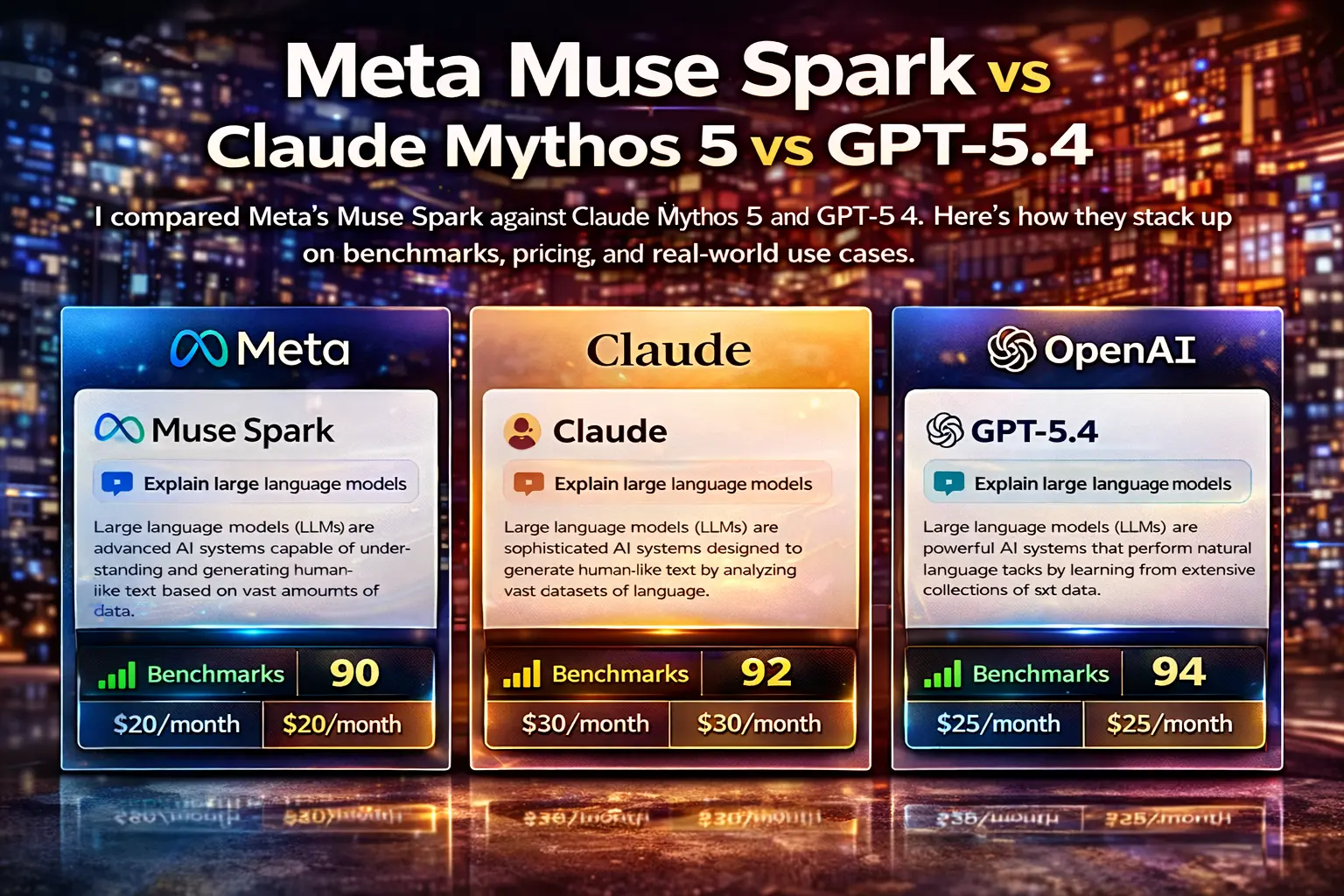
News April 2026 comparison of Meta Muse Spark, OpenAI GPT-5.5, and Claude Mythos Preview: what is official, what is restricted, and what developers can use.
 AI Tools
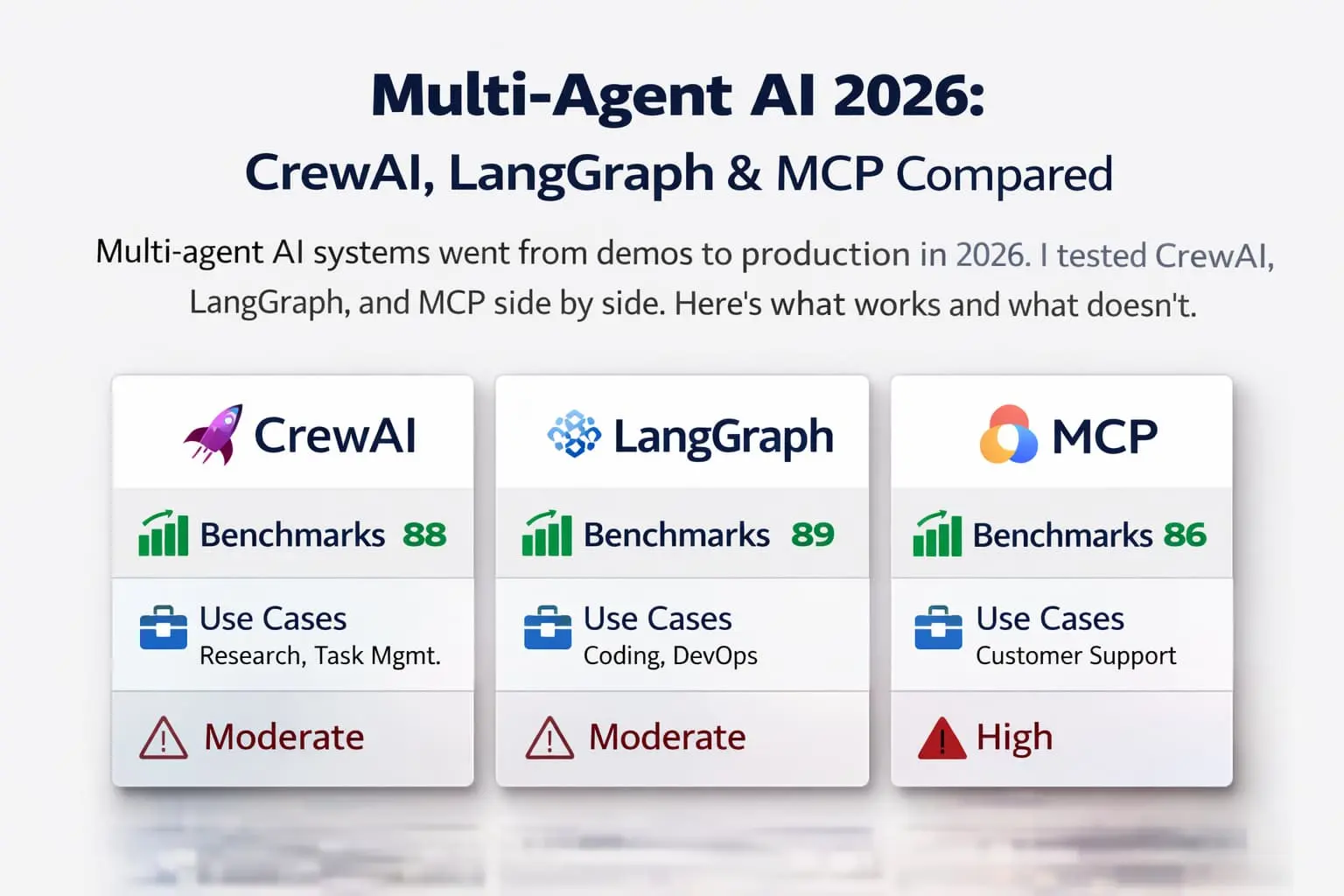
 CrewAI vs LangGraph vs MCP in 2026 for building multi-agent systems: which framework to pick, what changed in MCP, and the tradeoffs that decide it.
 News
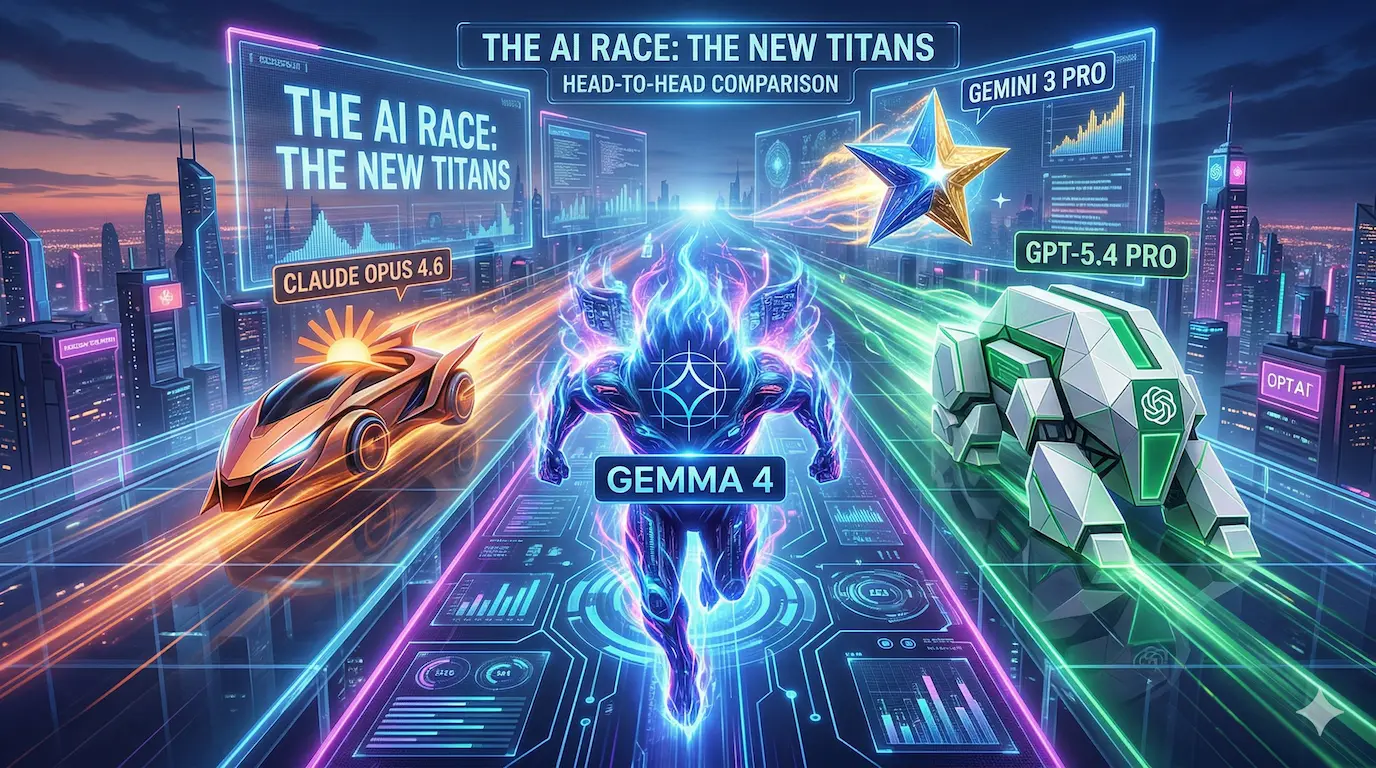
News Google's Gemma 4 just landed. I compared it head-to-head with Claude Opus 4.6, GPT-5.4 Pro, and Gemini 3.1 Pro. Here's what changes for the AI race.
 News
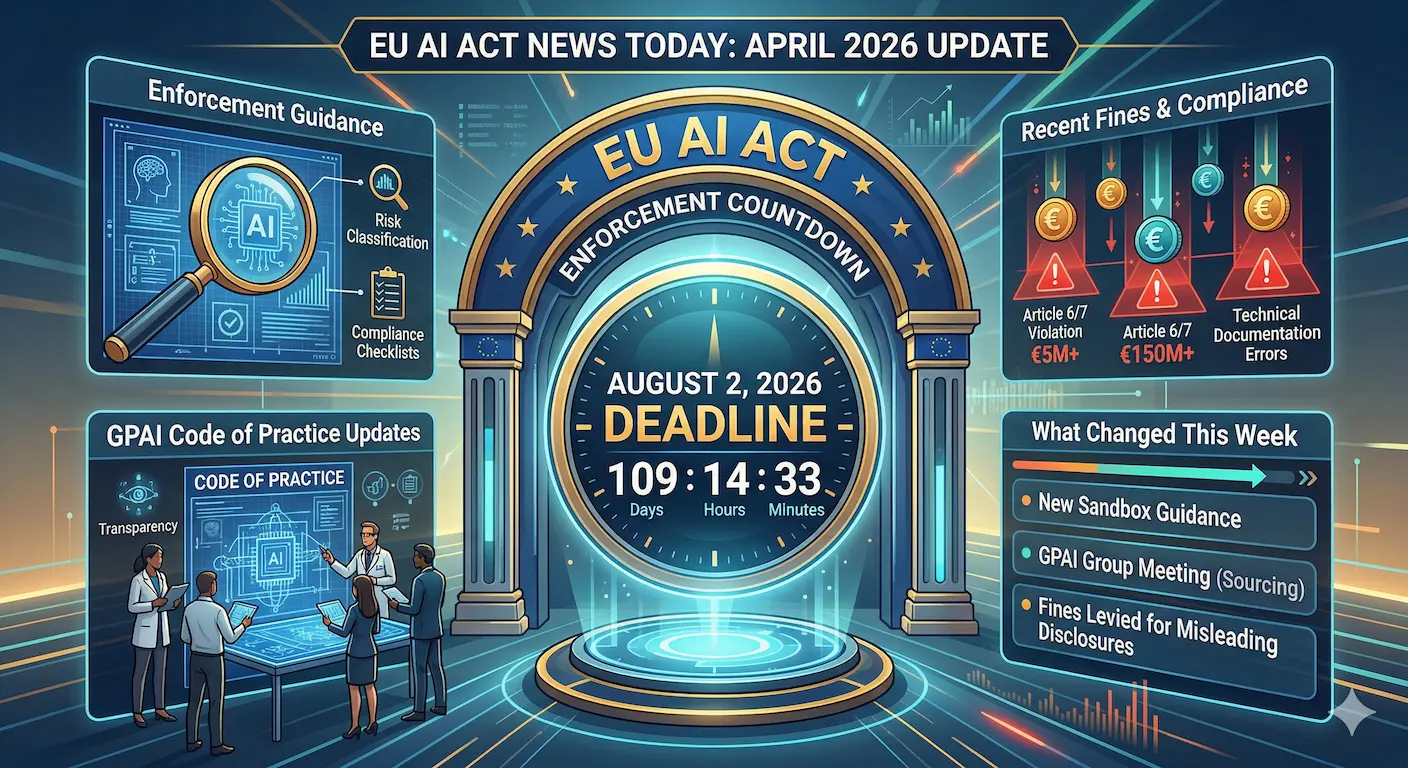
News The latest EU AI Act news for April 2026. New enforcement guidance, GPAI Code of Practice updates, fresh fines, and the August 2 deadline countdown - explained.
 News
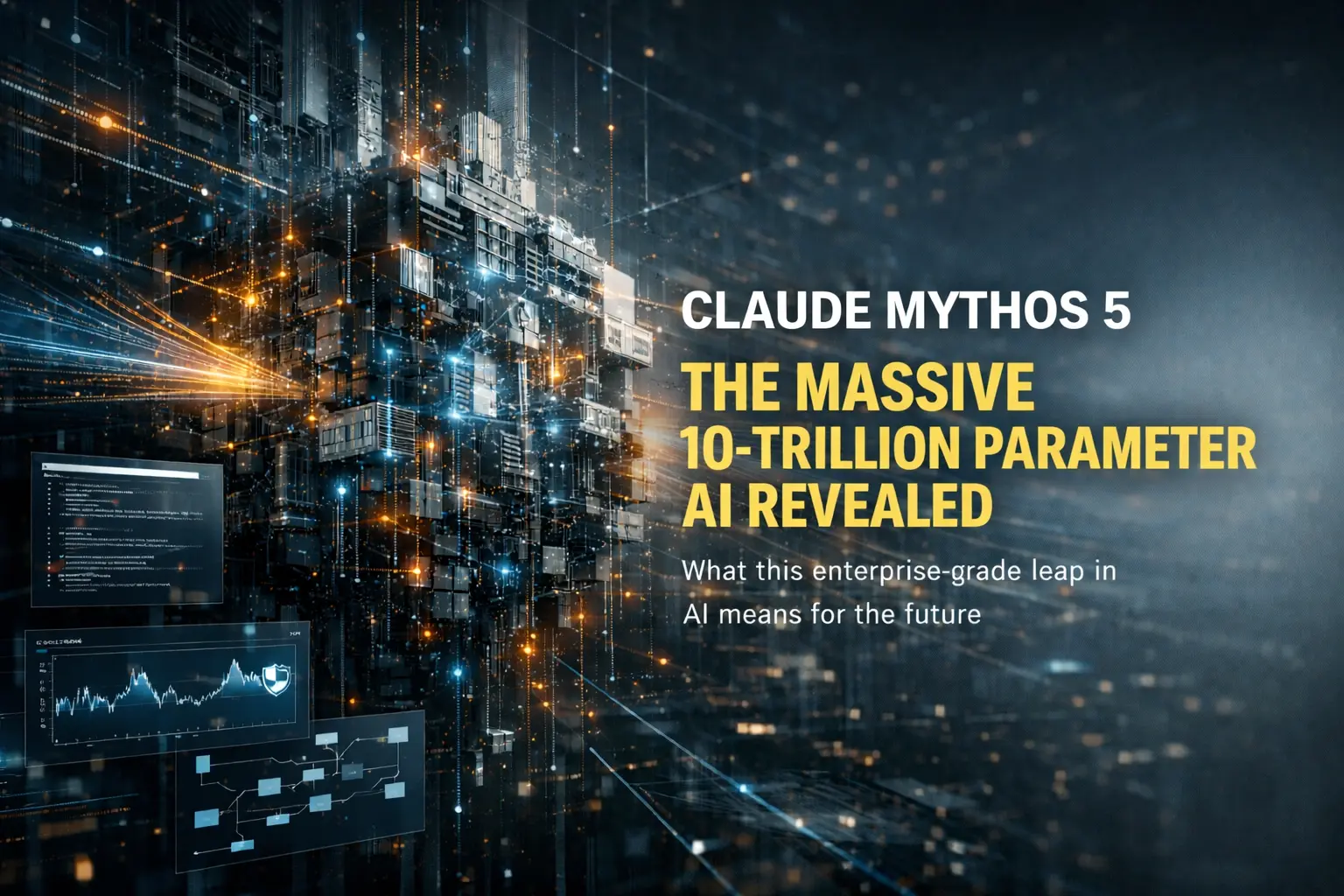
News Claude Mythos is one of the most discussed AI model stories of 2026. What Anthropic has confirmed, what remains unverified, and how to read the reports.
 News
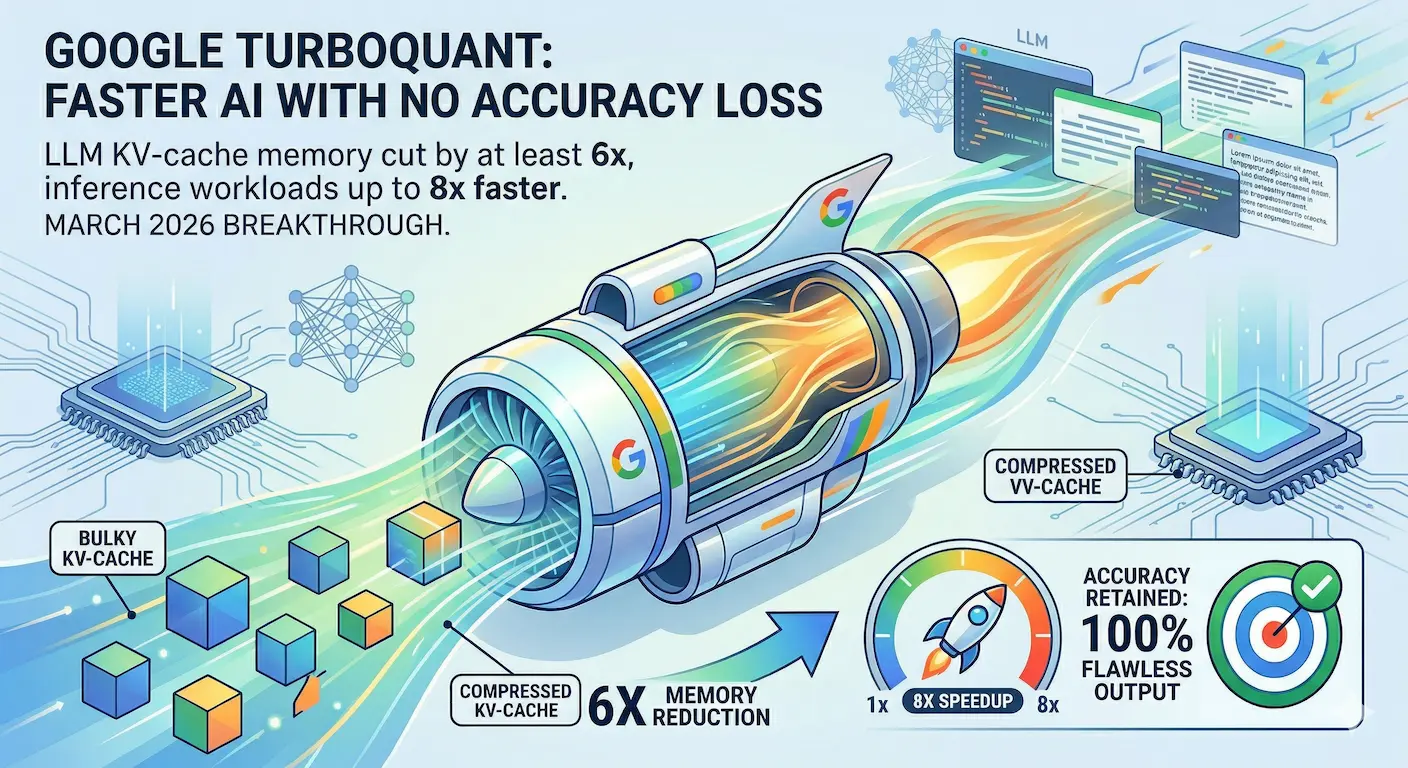
News Google TurboQuant cuts LLM KV-cache memory by at least 6x and speeds some inference workloads up to 8x. Here's what the March 2026 breakthrough means.
 AI Tools
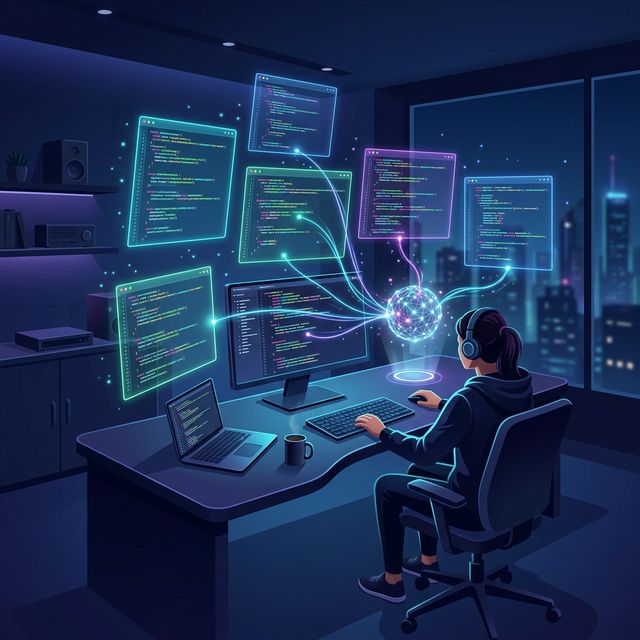
 AI coding agents moved beyond autocomplete in 2026. GPT-5.4 ships native computer use, Claude Code beats Copilot, and Codex scans commits autonomously.
 How-To
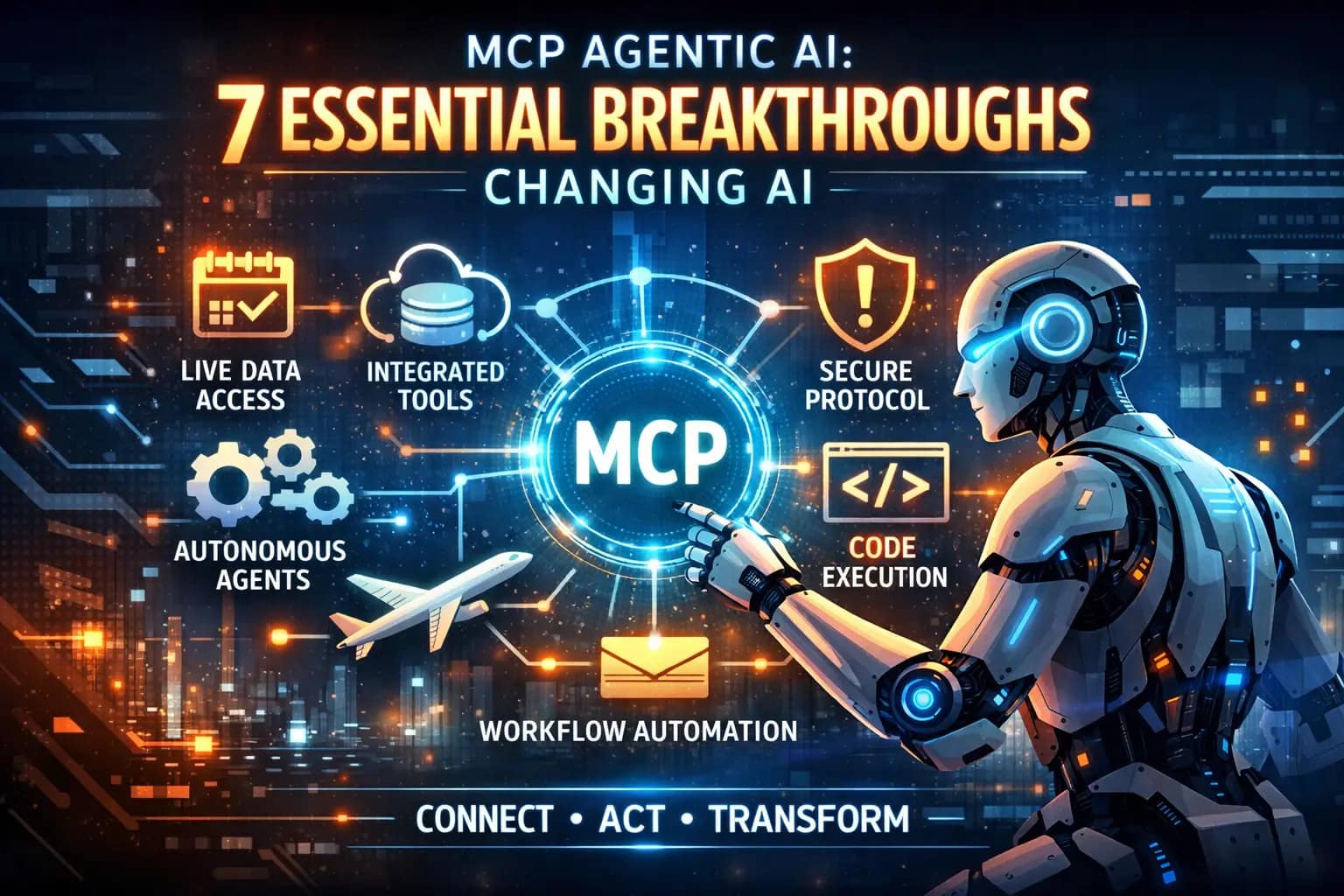
 Learn how Model Context Protocol (MCP) lets AI agents use real tools and live data. Covers MCP architecture, security risks, and practical use cases for 2026.
 AI Regulation
 Build an effective AI governance framework with 7 proven strategies for 2026. Covers compliance, risk management, and practical implementation steps.
 AI Regulation
 Key EU AI Act deadlines in 2026 explained. Learn which obligations take effect, what high-risk AI rules mean for your business, and how to prepare now.
 AI Tools
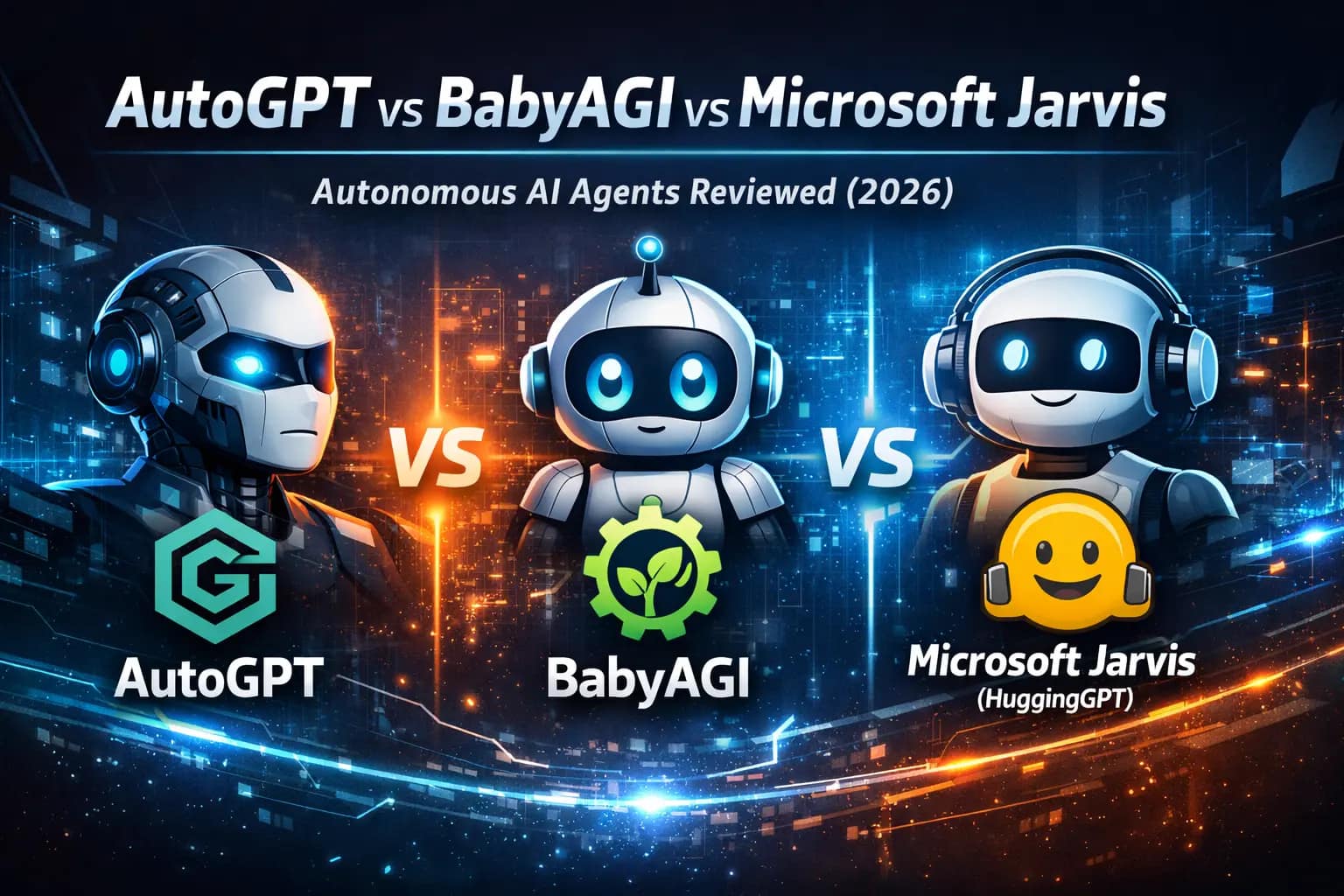
 Compare AutoGPT, BabyAGI, and Microsoft Jarvis (HuggingGPT) in 2026. See how each autonomous AI agent works, their strengths, and which fits your use case.
 News
News How agentic AI is deployed in 2026 across enterprises: real-world use cases, the key risks teams hit, and what comes next for autonomous AI systems.
 AI Tools
 A practical 2026 guide to AI finance tools across accounts payable, audit, FP&A, spend control, tax, and reporting—based on current vendor pricing.
 AI Tools
 A practical 2026 guide to ChatGPT, Claude, Gemini, Copilot, Perplexity, Notion AI, Grammarly, and Jasper based on current pricing and workflow fit.
 News
News Agentic AI is replacing passive generative models with systems that plan, act, and adapt. Discover why 2026 marks the turning point for autonomous AI agents.
 AI Regulation
 EU AI Act enforcement begins in 2026. Get the latest updates on compliance timelines, high-risk AI rules, and what organizations must do to stay compliant.
 AI Regulation
 Japan shifts from AI-friendly policies to formal regulation in 2026. Learn about the AI Promotion Act, new governance frameworks, and what developers must know.